Sinking Deltas Article
INTRODUCTION
Overview
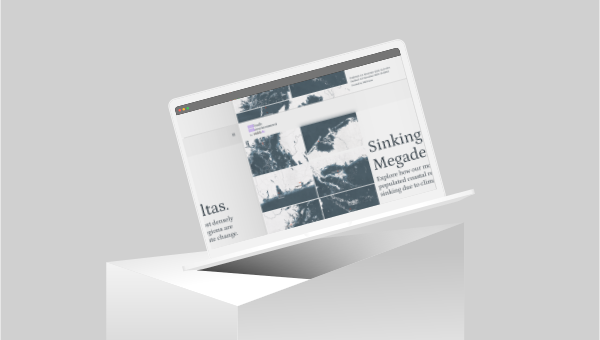
Sinking Deltas is an article in a research platform on carbon emissions. Users struggled to access data and understand the relationship between our carbon emissions and sinking cities, making it difficult to engage with the research.
TYPE
Research-Driven UX & Data Visualization
ROLE
UX/UI Designer: Redesigned navigation and information hierarchy. Created interactive visuals
TIMEFRAME
6 months
IMPACT
Reducing conversion rates by transforming a text heavy article into a visual story
CHALLANGES
How can we transform a text-heavy article into a visual interactive webpage?
Traditional text-heavy articles can be overwhelming, especially when users are skimming for key points or trying to make sense of dense material.
It is difficult to keep user engaged throughout the text while effectively conveying the necessary information.
Sustaining the user's excitement to read through an article without disengaging or getting bored.
MAIN GOALS
Improving readability and comprehension while keeping user engaged
UNDERSTAND THE MAIN PURPOSE OF THE ARTICLE AND MAKE SURE THE USER GETS IT
DEFINE HOW WILL THE USER INTERACT WITH AND ABSORB COMPLEX INFORMATION
FOCUS ON ALLOWING USERS TO EXPLORE AT THEIR OWN PACE AND TO THEIR LEVEL OF INTEREST
INCORPORATING INTERACTIVE MATERIAL THROUGHOUT THE ARTICLE TO KEEP USER ENGAGED
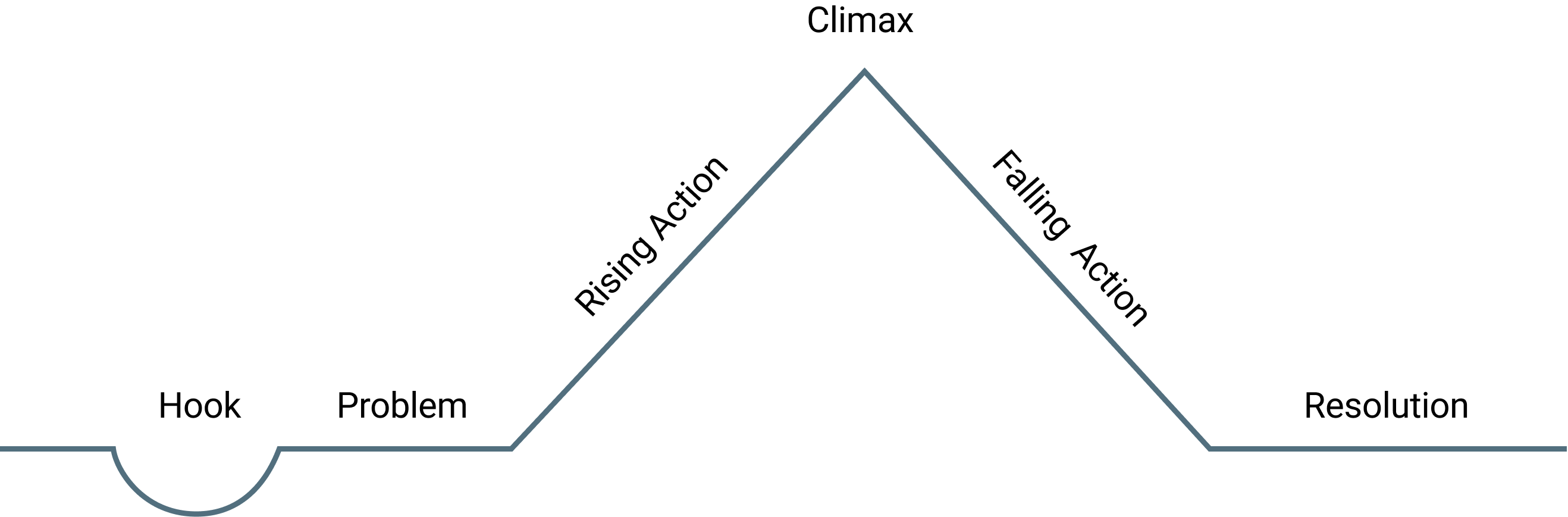
To effectively achieve the main goal, the article was structured using a story mountain framework to ensure optimal readability.
INITIAL PHASE
Developing a storyline and structure for the article
1. Defining the main purpose of the article
Main Purpose: To explore the causes and impacts of rising sea levels—particularly how carbon emissions drive this change—and to highlight the severe consequences for delta regions and coastal cities.
2. Identifying main key points and sections
This phase involved organizing the content into 8 clear, digestible sections with defined headings. However, a cohesive narrative to support user interaction was still missing.
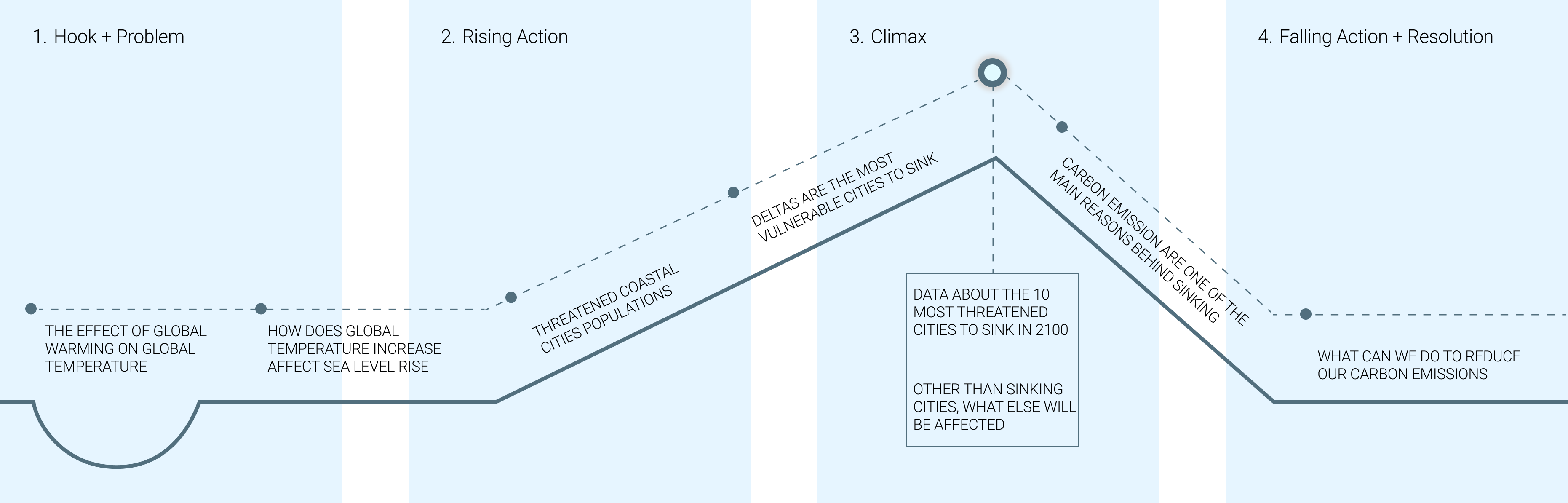
CARBON EMISSION ARE ONE OF THE MAIN REASONS BEHIND SINKING
DELTAS ARE THE MOST VULNERABLE CITIES TO SINK
DATA ABOUT THE 10 MOST THREATENED CITIES TO SINK IN 2100
WHAT CAN WE DO TO REDUCE OUR CARBON EMISSIONS
THE EFFECT OF GLOBAL WARMING ON GLOBAL TEMPERATURE
HOW DOES GLOBAL TEMPERATURE INCREASE AFFECT SEA LEVEL RISE
OTHER THAN SINKING CITIES, WHAT ELSE WILL BE AFFECTED
THREATENED COASTAL CITIES POPULATIONS
3. Creating an engaging, chronological user flow
Using the Story Mountain structure, a user flow that highlights extreme scenarios designed to shock the user was developed. This approach builds tension leading to a climax, followed by a resolution that addresses how the issue can be prevented. The graph below illustrates this journey, showing the climax, resolution, and our proposed solutions.
DEVELOPING INFOGRAPHICS
Translating text and main keypoints into infographics & visuals
Key points and text were transformed into clear infographics and visuals to simplify complex information and enhance reader engagement. These visuals supported the narrative while improving clarity and flow.
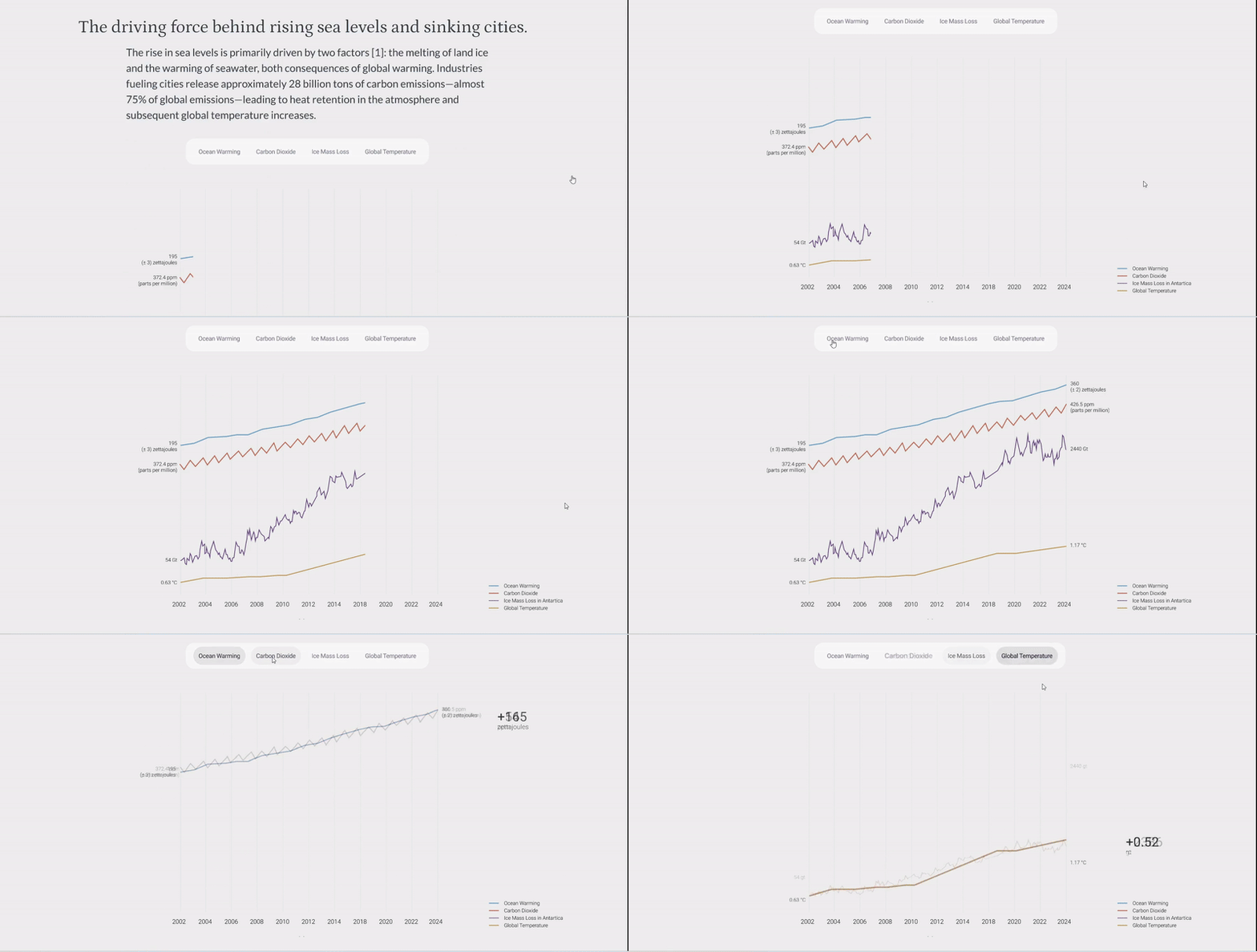
1. Introduction, showing the reason while sea levels are rising
The goal of this animation is to highlight the key factors driving sea level rise by illustrating how they are all increasing simultaneously.
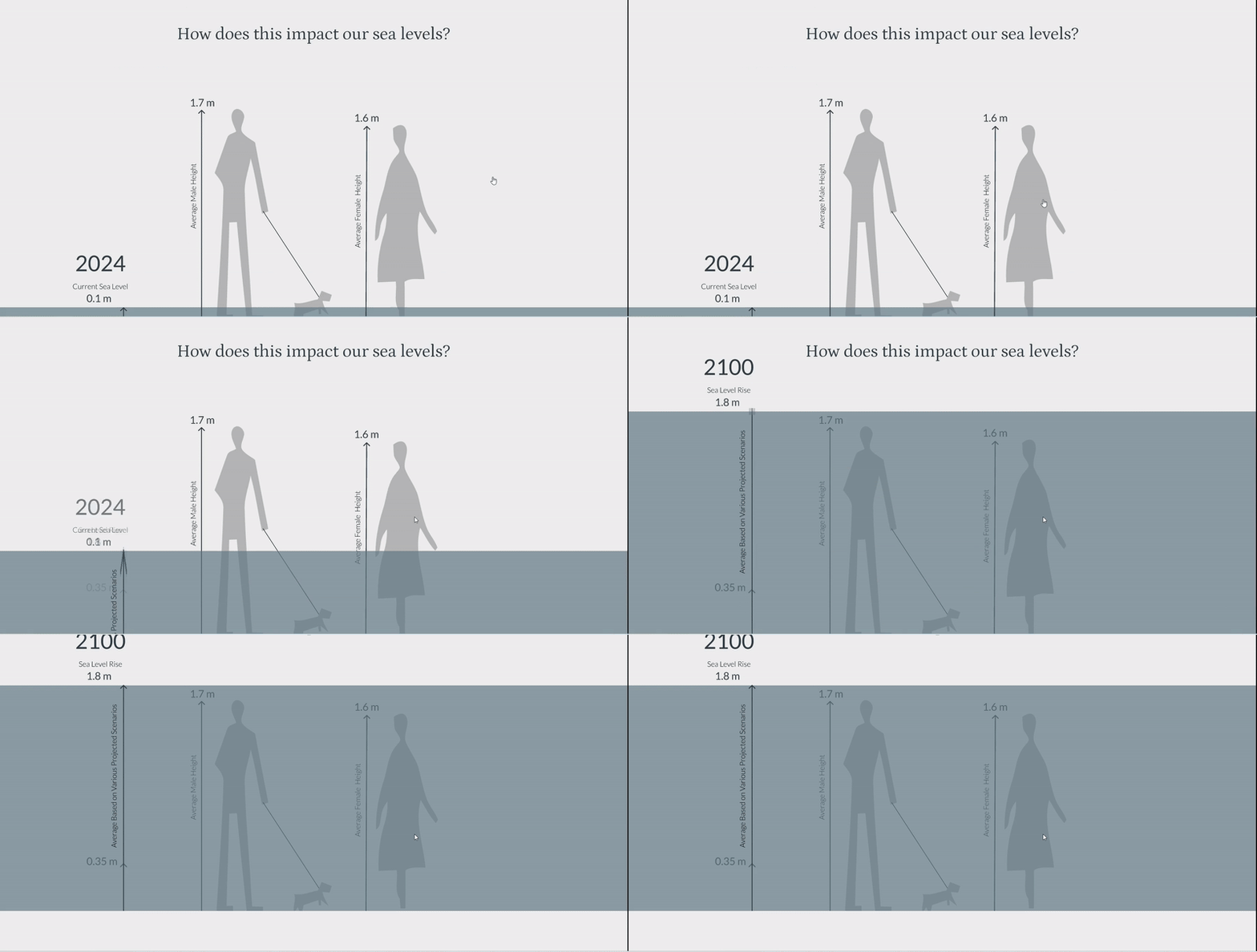
2. Hook, showing how the sea levels will rise by 2100
The goal of this animation is to illustrate an extreme scenario of the result of sea level rise, made more relatable by comparing it to human height.
3. Rising Action, showing what will be threatened
This infographic highlights the impact of rising sea levels on coastal cities, emphasizing the number of people who will be affected.
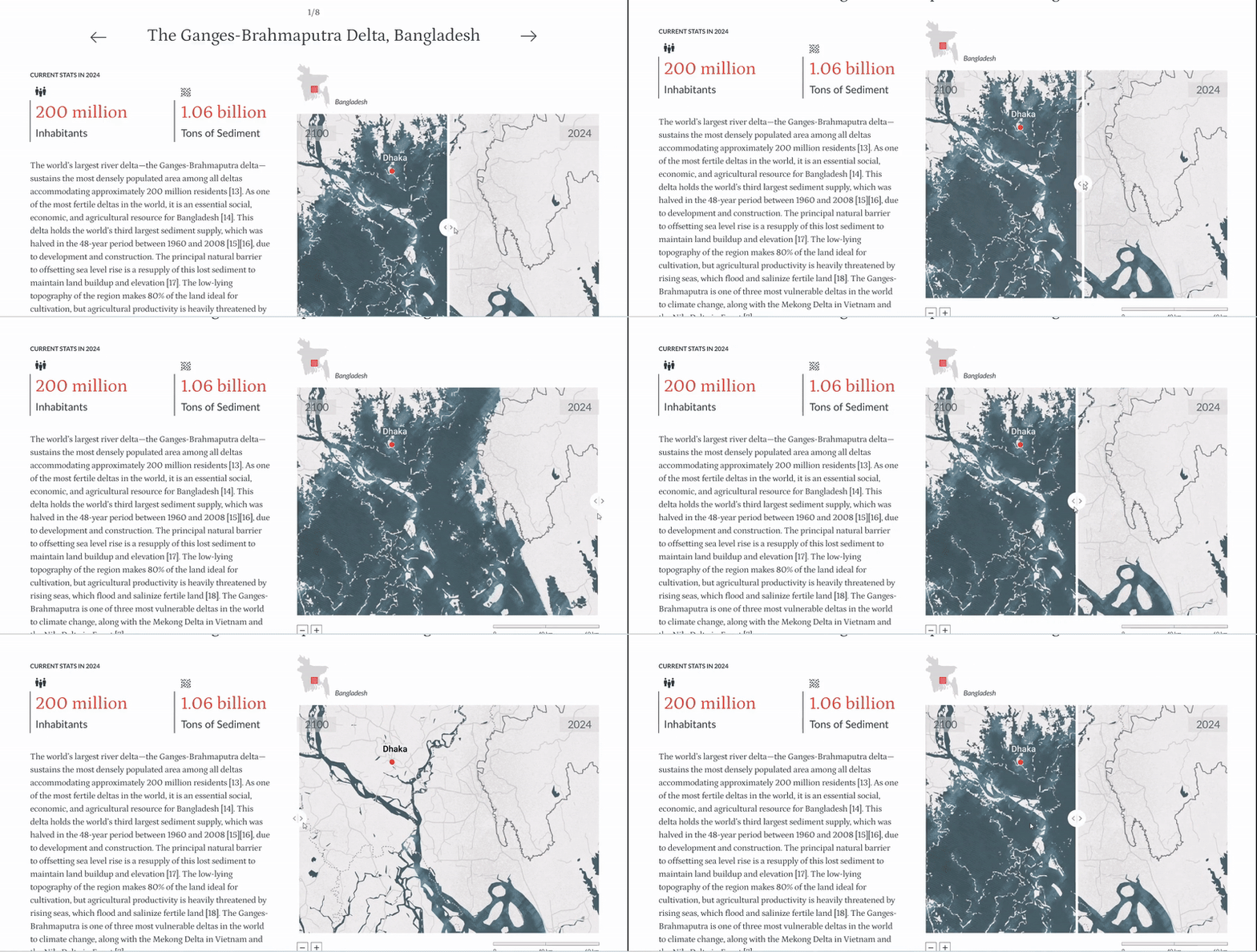
4. Climax, showing deltas before and after
A slider animation zooming in on the deltas will shock users by revealing the vast amount of land at risk of being submerged and how each city will be affected.
FINAL RESULT
Putting everything together
The video below shows the whole page, including the falling action and resolution visuals
OUTCOME
Design impact we delivered
Content became easier to scan, helping user quickly locate key insights.
Visual hierarchy and interactive elements enhanced engagement with the platform.
Stakeholders reported that the redesign made the platform more readable and professional.
KEY TAKEAWAYS
Resoloution
I learned the importance of structuring complex information for clarity and engagement, even without formal user testing.
Designing for complex information requires balancing detail with readability—too much simplification can obscure important findings, too little can overwhelm the user.
Interactive visuals can make dense data more engaging, but they need to be intuitive and contextually meaningful to be effective.
Collaboration with stakeholders is key: understanding their goals helped prioritize which content to highlight first.
OTHER PROJECTS
View more of my projects
Transforming complex U.S. government forms into a simple, user-friendly digital experience.
Simplified patient interactions with hospital services through clear, intuitive design.
Desigining screens that would moderate the whole process from both the user and admin perspectives
Reap Medical Website
Zooming out to create the website that the user would use to reach the 1042US product.